


The Work No One Owned
Amazon was building Lumberyard to compete with Unreal and Unity. The engine had a launch plan, technical documentation, and a user guide. What it didn’t have was a way in for the artists and designers who would actually make games with it. I recognized that gap, made the case for a team to fill it, and grew that team one proven step at a time.
01The gap
Seeing the product the way a new user would.
I joined Lumberyard as a product manager with a broad brief and no defined mandate. The engineering effort was enormous: license CryEngine, rebuild its asset and component systems, and get the engine ready for launch. With that many moving parts, I spent my early months learning the terrain, where the work was defined and where it wasn’t.
Then I looked at the release plan from the other side of the screen. A new user would open the engine and find a feature reference and an empty project. No first-run experience. No tutorials. No assets to open, take apart, and learn from. And because Lumberyard had rebuilt CryEngine’s core systems, the existing CryEngine learning materials no longer applied.
I’d shipped 18 games. I knew artists and designers learn by doing, and Unity and Unreal had built their onboarding around that fact, with starter projects, guided tutorials, and sample content. Lumberyard was headed for launch without any of it. The need sat between every team’s priorities. It wasn’t anyone’s job yet.
02The first move
Making the case, then making it small enough to approve.
Amazon makes decisions through written proposals, so I made the case in Amazon’s format: a working-backwards press release and a written narrative, with no slides and no mockups. It described what a new creator should experience on day one, and it showed how Unity and Unreal already delivered that experience.
The response wasn’t no. It was not now. The team was stretched, the roadmap was already full, and much of the leadership came from engineering, where an engine succeeds when the technology works. I kept pressing the case with my manager, who carried it to the engine’s senior leader. Over many conversations, the question shifted from whether creators needed this to what the smallest useful version could be.
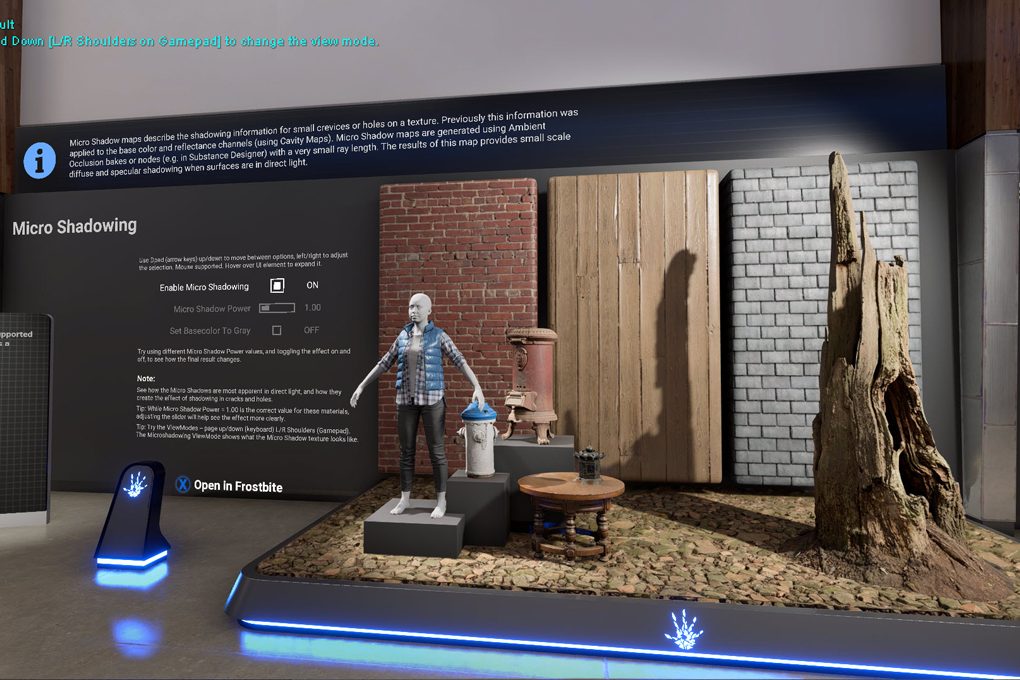
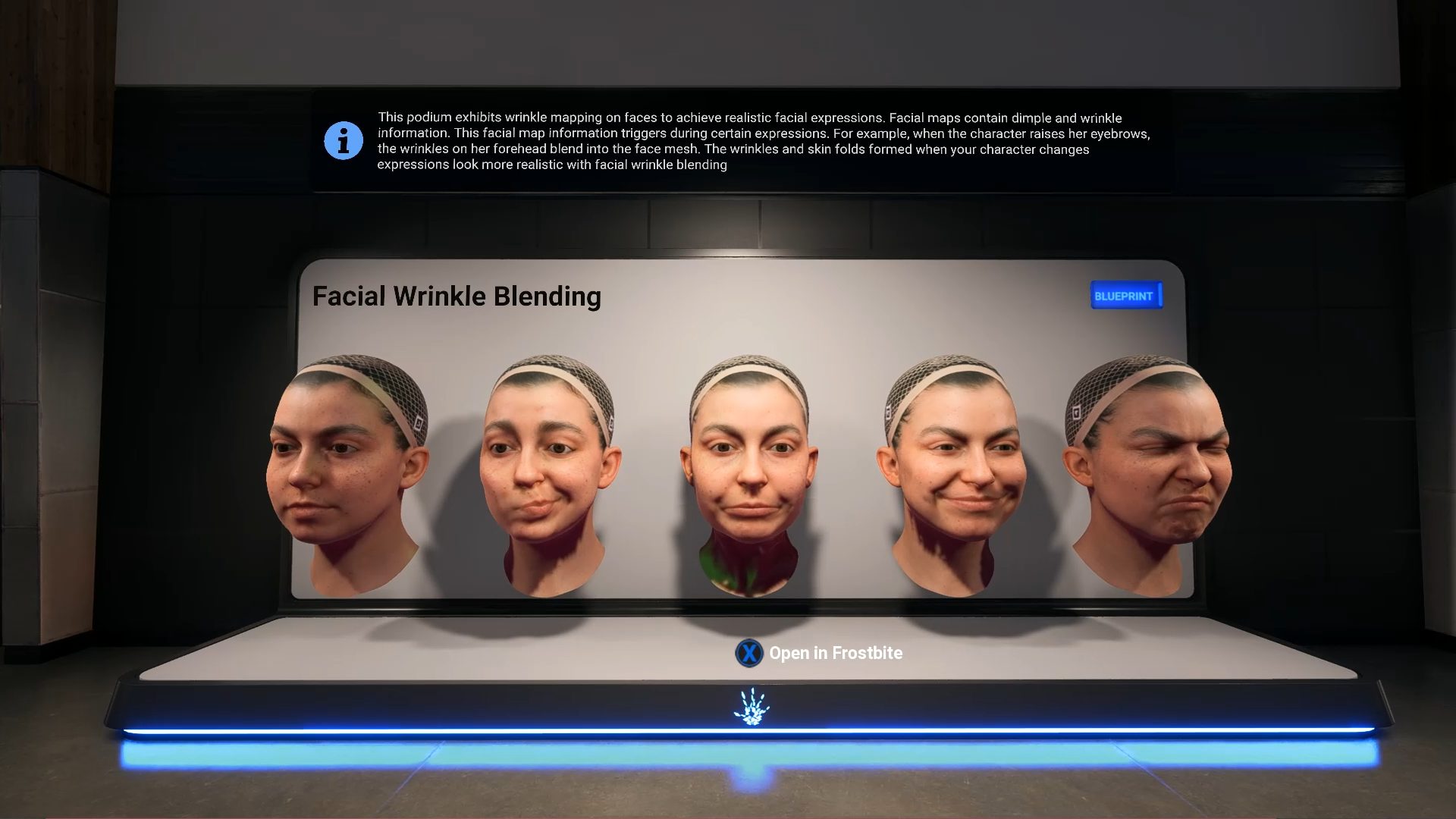
I narrowed the vision to a first step leadership could say yes to: a four-person founding team made up of me, a producer, an art director, and a technical artist, with the work planned in phases. For launch, we delivered two things. One was an onboarding tutorial covering foundational workflows; the other was a rendering demo that showed what the engine could do. Together they gave creators a way to begin and a reason to do so.
03The build
Letting each delivery earn the next.
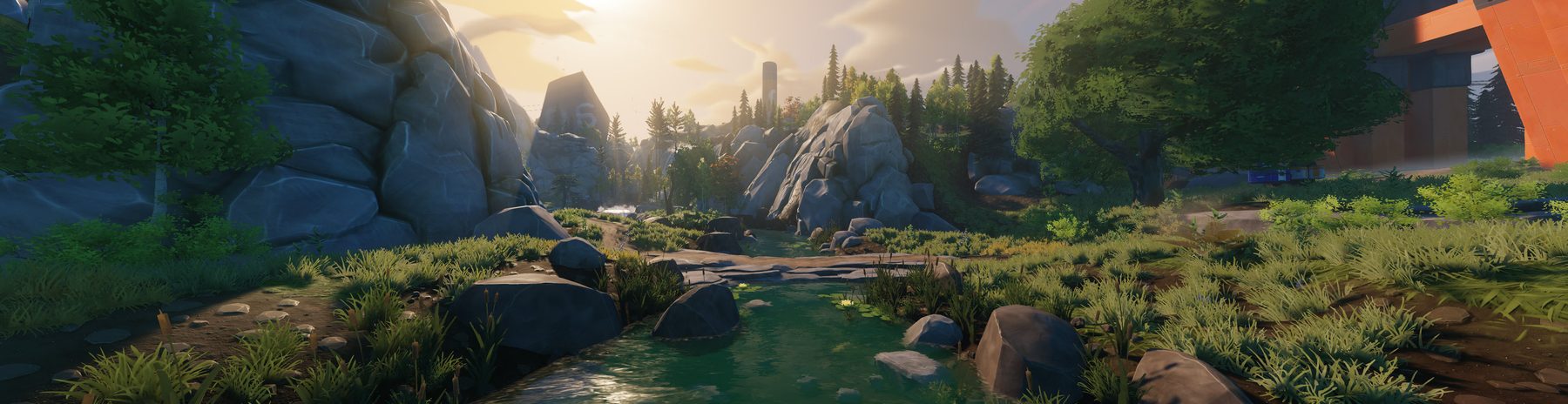
The launch content landed well, and that bought us the next phase. Leadership added an executive producer, a technical game designer, and a second technical artist. They funded Starter Game, a complete playable level that brought the engine’s foundational systems together in one place, along with a budget for rendering demos.
I wrote the Getting Started Guide around Starter Game’s assets. Creators could move from guided exercises to a working game and see how each feature contributed to the whole. A reference manual became a path from first launch to real understanding.
Climax Studios built Starter Game, and I served as its creative director and game design director. That partnership ran on a daily rhythm: writing design and creative specs, reviewing proposals, playing builds, reviewing dailies, and turning feedback around quickly so their team never had to wait on ours.
None of it came from a single approval. Every delivery became the argument for the next one, and making that argument was part of the job every day.

04What lasted
Growing a founding team into a permanent capability.
What started as four people became a seven-person team directing a network of external studios. As the work matured, the company gave it two permanent homes. A dedicated tutorial team joined Documentation to carry onboarding forward. Creative Content moved into Marketing, where my team continued producing example content and demos that showed creators what the engine could do and how to do it themselves.
The idea that was once not now had become part of how Lumberyard taught and presented itself.
My role changed along with the work. I arrived as a product manager without a defined mandate, and I became creative director of the team I’d proposed, built, and shipped with.
What this established
- A way in for creatorsA first-run tutorial at launch, followed by Starter Game and a Getting Started Guide built on the same assets.
- A team built on proofGrowth from four people to seven, with every addition earned by a delivery, directing external studios on a daily cadence.
- Work with permanent homesA dedicated tutorial team in Documentation and Creative Content in Marketing, each set up to carry its work forward.